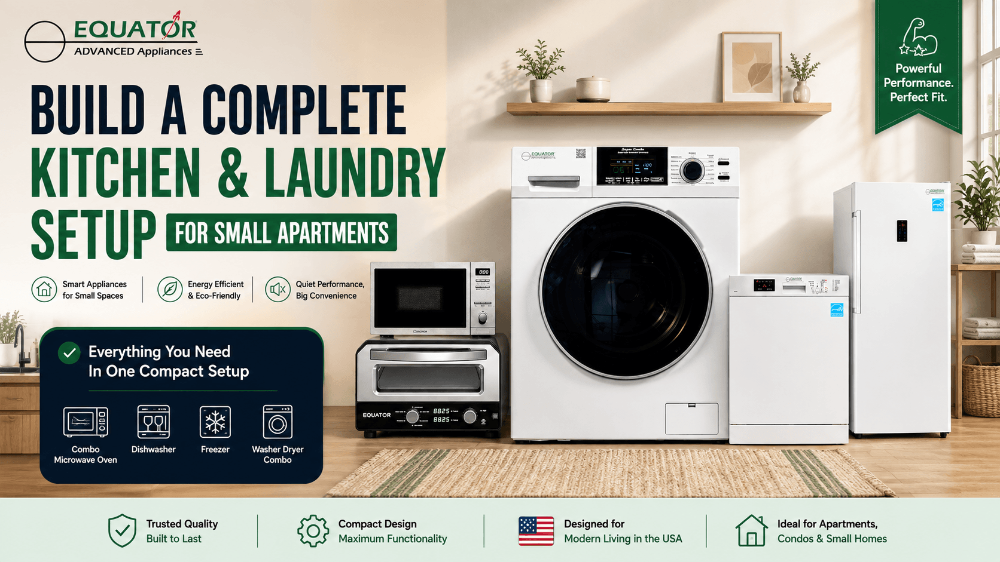
How to Build a Complete Kitchen and Laundry Setup for a Small Apartment
Building a functional small apartment is less about buying miniature versions of everything and more about choosing appliances that do more with the space, power, and storage you actually have. A well-planned combo microwave oven, dishwasher, freezer, washer dryer combo setup can cover everyday cooking, cleanup, food storage, and laundry without turning a studio or one-bedroom into an appliance showroom. This matters especially in major U.S. cities, where narrow kitchens, utility closets, older buildings, limited venting, and tight delivery routes can affect what will realistically fit. The goal is simple: choose appliances that match your floor plan and daily habits while leaving enough room to actually enjoy the apartment.

Back-to-School Appliance Essentials for College Apartments and Student Housing
Moving into a college apartment is usually a space-management problem disguised as a shopping list. A combo washer dryer, compact freezer, and dishwasher can remove three of the biggest weekly hassles—laundromat trips, limited food storage, and piles of shared dishes—without demanding a suburban-size utility room. For students in New York, Boston, Chicago, Austin, Los Angeles, and other major U.S. college markets, the best appliance setup is the one that fits the lease, the electrical service, the available plumbing, and the actual square footage. The goal is not to buy the biggest machine; it is to choose appliances that make a small student home easier to live in every day.

How to Choose the Right Wall Oven Combo with Microwave for Your Kitchen Layout
Choosing the right Combo Microwave Oven for a kitchen layout is not simply a matter of picking the appliance with the longest feature list. The best choice depends on cabinet dimensions, available counter space, cooking habits, electrical requirements, ventilation, door clearance, and how people actually move through the kitchen. This becomes especially important in U.S. homes where a Manhattan apartment, a Chicago condo, a Houston single-family kitchen, and a Miami high-rise can present very different installation challenges. A well-planned microwave and oven combo can reduce appliance clutter and make everyday cooking faster, but the appliance still has to fit the space correctly. Whether you are considering a traditional wall oven microwave combo, a compact combi microwave oven, or a built-in-capable hybrid appliance, start with the layout before focusing on features. A successful installation should feel as if the appliance was planned with the kitchen, not squeezed into whatever opening happened to be available.
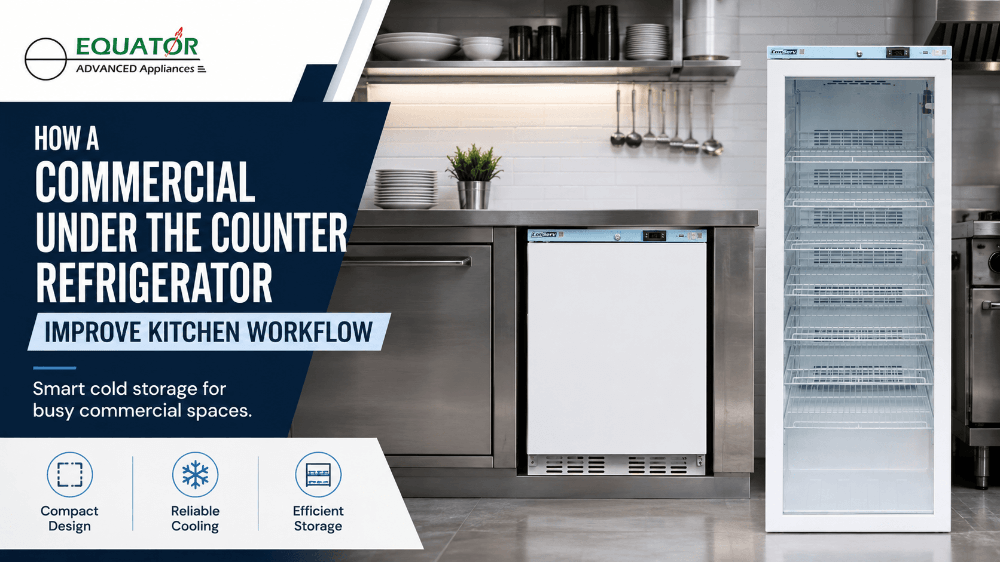
How a Commercial Under the Counter Refrigerator Improves Kitchen Workflow
A Commercial Refrigerator can improve kitchen workflow by putting frequently used ingredients exactly where prep, plating, and service happen. Instead of sending employees across a crowded kitchen for every garnish, beverage, dairy item, or backup container, an undercounter unit creates a cold-storage station within arm’s reach. That shorter path matters in busy restaurants, cafés, bars, bakeries, clinics, and office kitchens across major U.S. cities, where narrow work areas and expensive floor space leave little room for wasted movement. The right commercial undercounter refrigerator can reduce congestion, support more consistent organization, and help teams move through peak service with fewer interruptions.
This guide explains how undercounter refrigeration affects workflow, where it fits best, what features deserve attention, and how compact Conserv models compare with taller commercial units. It also covers practical considerations for kitchens in New York City, Chicago, Los Angeles, Houston, Miami, Boston, Seattle, and other urban markets where heat, building access, counter depth, and local inspection requirements can influence the buying decision.

Front Loading Laundry Machine Care Tips to Prevent Odors and Mold
Front load Washers clean efficiently and fit well into apartments, condos, RVs, boats, and compact laundry rooms, but their sealed-door design also means moisture can linger after a cycle. That trapped dampness, combined with detergent residue, lint, pet hair, and warm indoor air, can produce the familiar “washer smell” and eventually encourage mold around the gasket, dispenser, or drum. The good news is that most odor problems are preventable with a simple routine that takes only a few minutes after each load. This guide explains how to care for a front loading laundry machine in major U.S. cities, where humidity, winter temperatures, limited ventilation, and small laundry closets can all affect washer maintenance.

What Makes a Good Stackable Washer and Dryer? Key Features Buyers Should Know
A good Stackable Set Washer Dryer is more than a washer with a dryer placed above it. The appliances should function as a coordinated laundry system, with compatible dimensions, balanced capacities, safe installation requirements, and controls that fit the household’s routine. That matters in major U.S. cities, where laundry may occupy a hallway closet, kitchen alcove, basement utility area, or condominium service space.
Buyers comparing a Stackable Set Washer Dryer should look beyond appearance and advertised capacity. The best choice fits through the doorway, matches the available outlet and vent path, handles normal weekly loads, and remains accessible for cleaning and service. This guide explains the features that separate a well-planned stackable laundry setup from one that merely saves floor space.
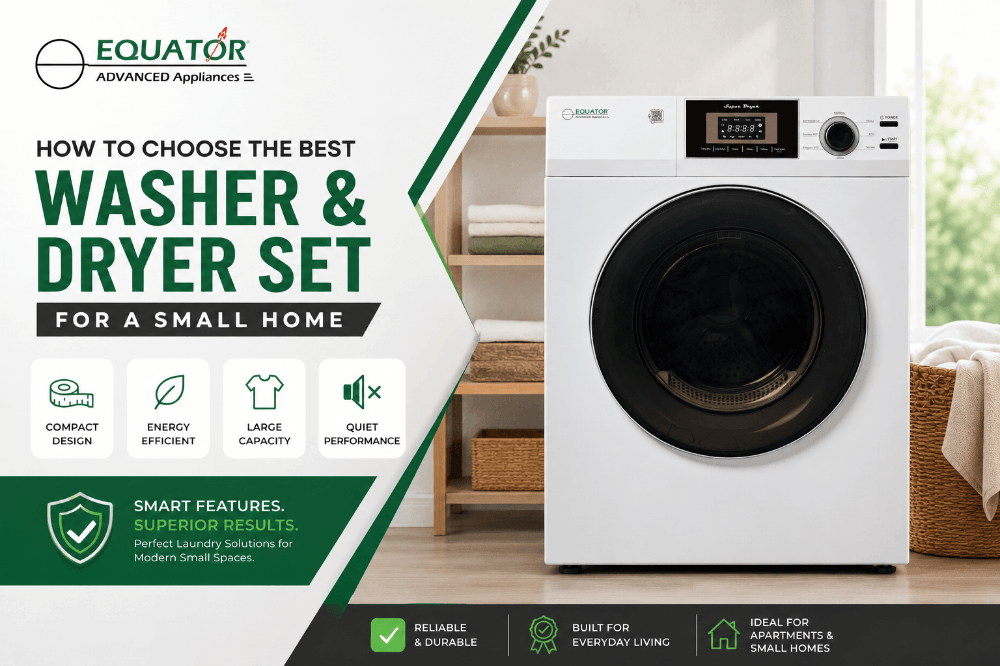
How to Choose the Best Washer and Dryer Set for a Small Home
Choosing the best washer and dryer set for a small home starts with more than comparing prices or drum capacities. The right pairing must fit the room, match your household’s laundry volume, work with the available electrical service, and satisfy the building’s dryer-vent requirements. For residents of apartments, condos, townhomes, accessory dwelling units, and compact houses across major U.S. cities, selecting appropriately sized Dryers can make the difference between an efficient laundry area and an appliance installation that feels cramped, noisy, or difficult to maintain.
A small-space laundry setup should make everyday life easier without sacrificing useful capacity. Before purchasing a washer and dryer set, evaluate the complete installation rather than choosing each machine separately. A compact dryer may fit the floor area but still require additional depth for hoses, airflow, door swing, and the dryer vent. Similarly, a washer and a dryer may have matching widths while being incompatible for stacking.
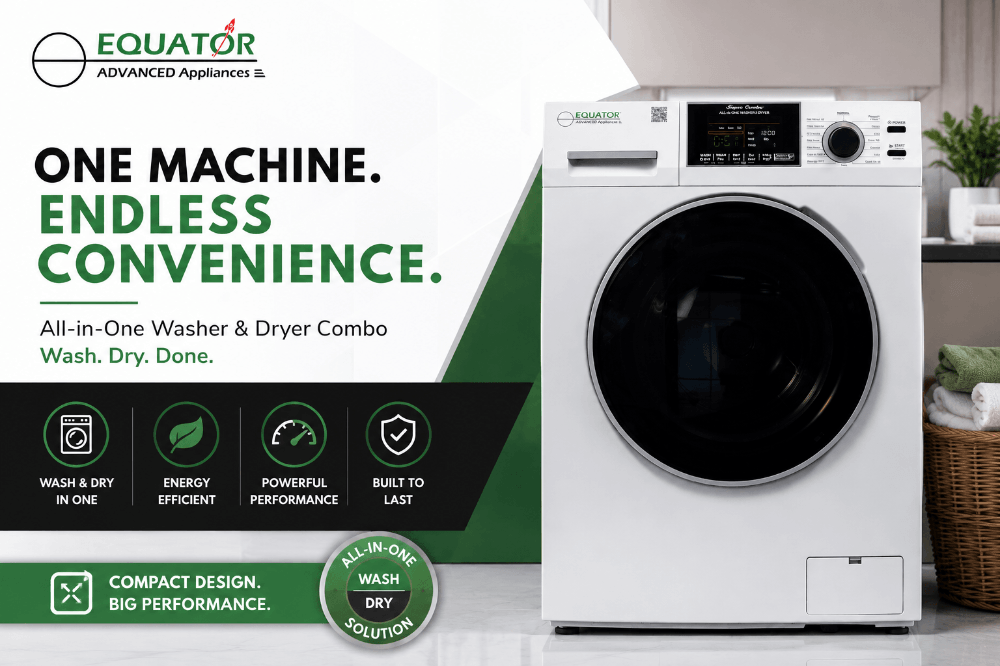
Washer and Dryer Combo Capacity Guide: What Size Is Right for Your Household?
Choosing the right Combo Washer Dryer capacity is not simply a matter of counting how many people live in your home. Laundry volume also depends on how often you wash, whether you have children or pets, the types of fabrics you clean, and whether bulky towels or bedding are part of your routine. A compact 15-pound model may be ideal for an apartment, condominium, RV, or couple, while an 18-pound machine gives busier households more flexibility. This guide explains how washer capacity works, what common load ratings mean, and how residents of major U.S. cities can select a washing machine and dryer combo that fits both their household and installation space.
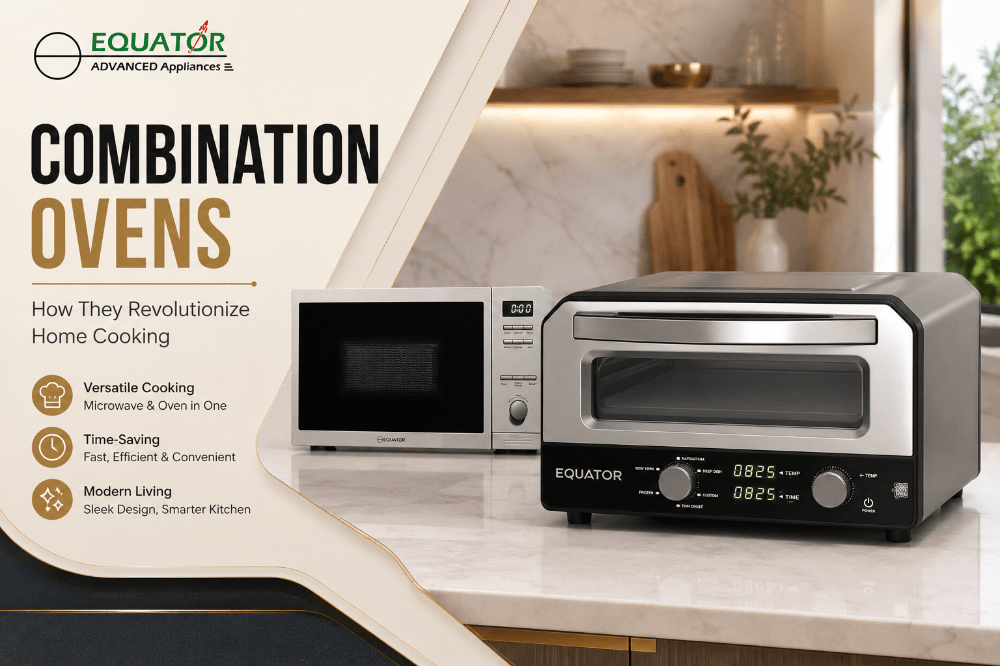
Combination Ovens: How They Revolutionize Home Cooking
A Combo Microwave Oven brings microwave speed and oven-style cooking into one compact appliance, giving American households a practical way to reheat, defrost, bake, roast, and brown food without depending on multiple machines. This versatility is especially useful in city apartments, condominiums, accessory dwelling units, vacation homes, and remodeled kitchens where counter and cabinet space can disappear faster than a plate of fresh cookies. Instead of treating the microwave as a reheating box and the conventional oven as the only serious cooking appliance, combination ovens allow both technologies to support everyday meals.
For busy households, the biggest advantage is flexibility. Breakfast can be reheated quickly, vegetables can be defrosted for dinner, and oven-style heat can finish foods with a firmer texture or browned surface. Homeowners researching a Combo Microwave Oven can therefore focus on cooking habits, available space, electrical requirements, and installation style rather than automatically purchasing two separate appliances.

Dual Zone Wine Fridge vs Single Zone: Which Is Better for Your Collection?
Choosing the right Wine Refrigerator often comes down to one important question: do you need a single temperature zone or separate zones for different bottles? A single zone wine fridge is straightforward, space-efficient, and well suited to collections centered on one wine style, while a dual zone wine fridge gives collectors more flexibility when storing reds, whites, rosé, or sparkling wines together. For wine lovers in major U.S. cities—from compact Manhattan apartments and Chicago condos to spacious homes in Dallas and Los Angeles—the better choice depends on collection size, bottle variety, available space, and how you actually serve your wine.
The key is to avoid assuming that more zones automatically mean a better appliance. A small, focused collection may be perfectly served by a compact wine fridge with one consistent temperature area. A growing mixed collection, however, can benefit from independent temperature compartments that let different wine styles remain ready for serving. This guide compares both options in practical terms so you can choose a wine cooler that fits your collection today without overlooking how it may grow tomorrow.