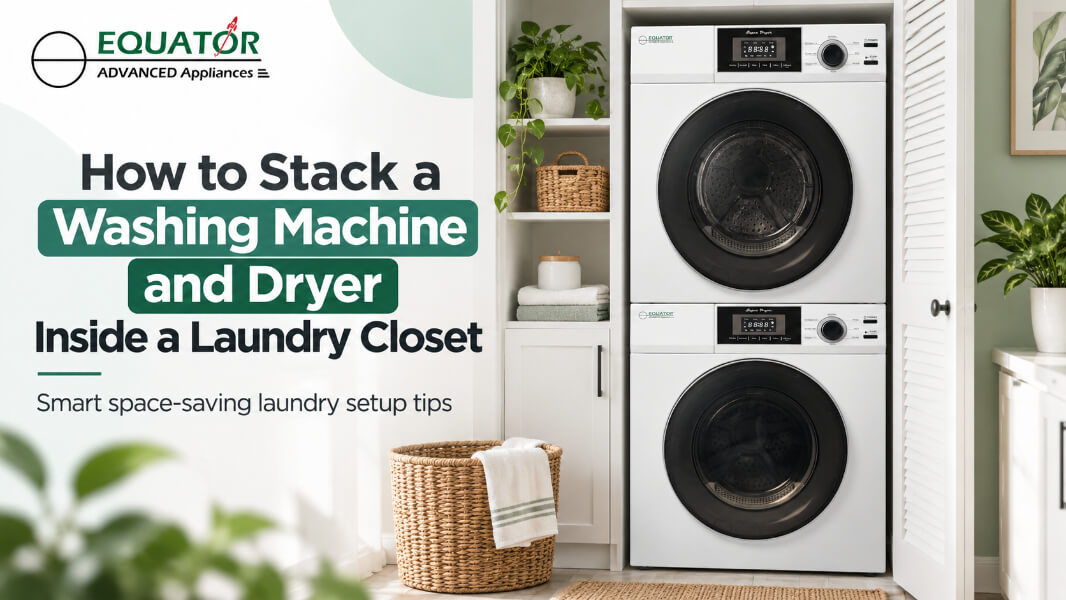
How to Stack a Washing Machine and Dryer Inside a Laundry Closet
Learning how to stack a washing machine and dryer inside a laundry closet is one of the smartest ways to create a functional laundry area without sacrificing valuable floor space. For homeowners and apartment residents across the United States, especially in New York City, Chicago, Los Angeles, and other major cities, compact washers and dryers can make everyday laundry more convenient. The key is choosing compatible appliances, measuring the available space, and ensuring proper ventilation and installation.
Stacking places the dryer securely above the washing machine, allowing two separate appliances to occupy approximately the floor space of one. However, not every washer and dryer can be stacked, and selecting the correct stacking kit is essential for safety. Whether you're planning a laundry closet in a Manhattan apartment, a Chicago condo, or a Los Angeles home, this guide explains how to select, install, and maintain a stacked washer dryer system.
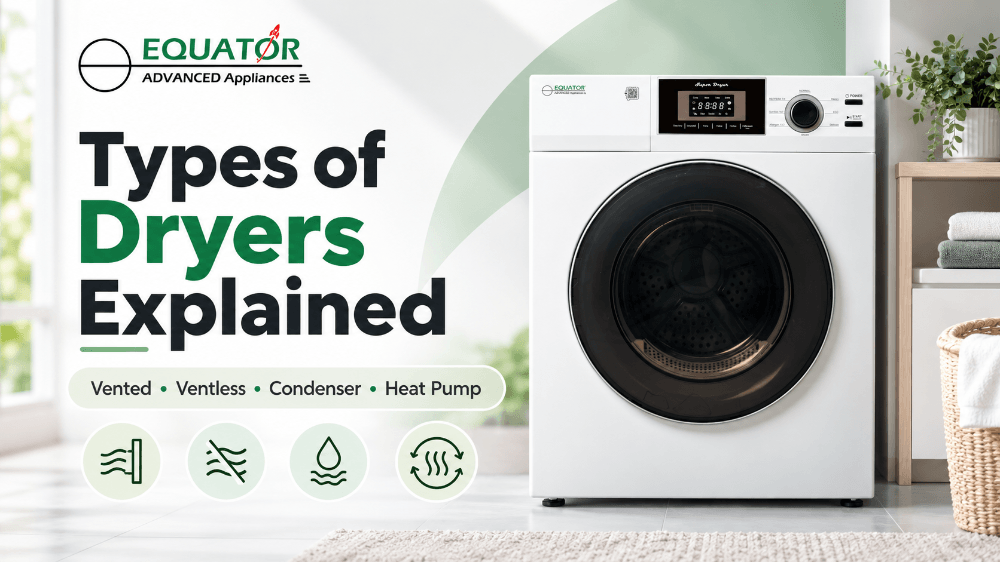
Types of Dryers Explained: Vented, Ventless, Condenser, and Heat Pump
Choosing the right dryers is about more than drum capacity or finding the lowest price. The biggest decision is often the drying technology itself: vented, ventless, condenser, or heat pump. Each system handles hot air and moisture differently, which affects installation, drying time, energy use, room temperature, and where the appliance can realistically be installed. That difference becomes especially important in U.S. apartments, condos, older homes, compact laundry closets, RV-style spaces, and marine applications.
Whether you are comparing an electric dryer, a stacked washer dryer, a front load washer and dryer set, or an all in one washer dryer, understanding how the dryer removes moisture can prevent expensive installation surprises. This guide explains the major dryer types, where each one works best, and what residents of New York, Chicago, Los Angeles, Houston, Seattle, Boston, and other major U.S. cities should consider before buying.
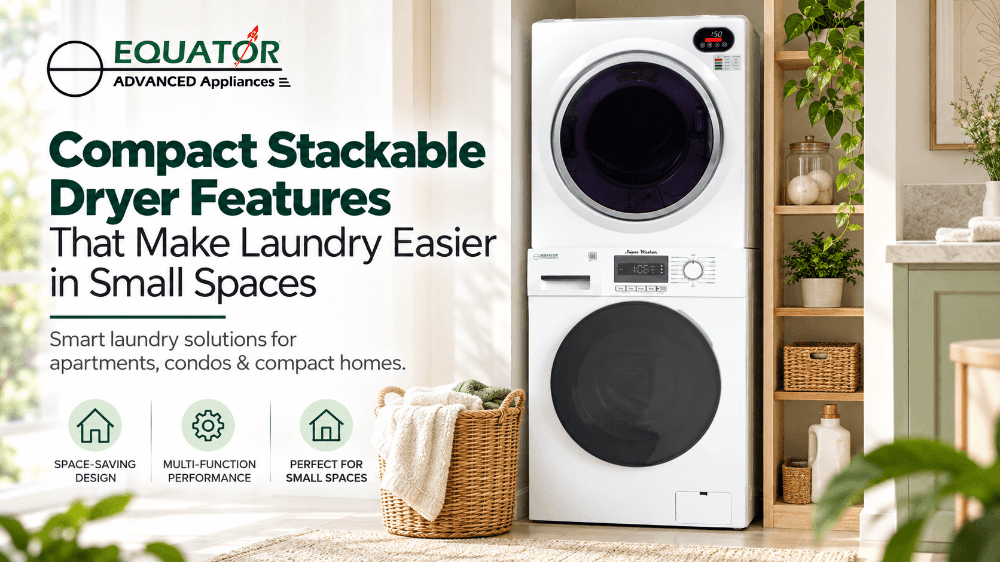
Compact Stackable Dryer Features That Make Laundry Easier in Small Spaces
When laundry space is measured in inches rather than feet, choosing the right Stackable Set Washer Dryer can make everyday chores far more manageable. Compact stackable laundry machines place the dryer above the washer, preserving valuable floor space while still giving households separate washing and drying functions. That approach is especially practical in apartments, condos, tiny homes, vacation rentals, and older urban properties where a conventional side-by-side laundry room may not exist. For residents of New York City, Boston, Chicago, San Francisco, Seattle, and other major U.S. cities, the most useful compact dryer features are not simply about capacity; installation flexibility, sensor drying, electrical requirements, venting, controls, and closet dimensions can matter just as much.

Mini Washer Benefits for Dorm Rooms, Vacation Homes, and Tiny Apartments
Choosing the right Washers for a dorm room, vacation home, or tiny apartment can completely change the way you manage everyday laundry. Many people living in compact spaces struggle with shared laundry rooms, expensive laundromat visits, limited storage, and the challenge of finding a reliable appliance that fits without sacrificing cleaning performance. A mini washer provides a practical solution by combining space-saving design with modern washing features.
From college students living near university campuses in Boston and Austin to homeowners creating vacation retreats in Florida or California, compact laundry solutions are becoming increasingly popular. The right small washing machine can provide convenience, energy efficiency, and the flexibility to handle daily clothes washing without requiring a full-size laundry room.
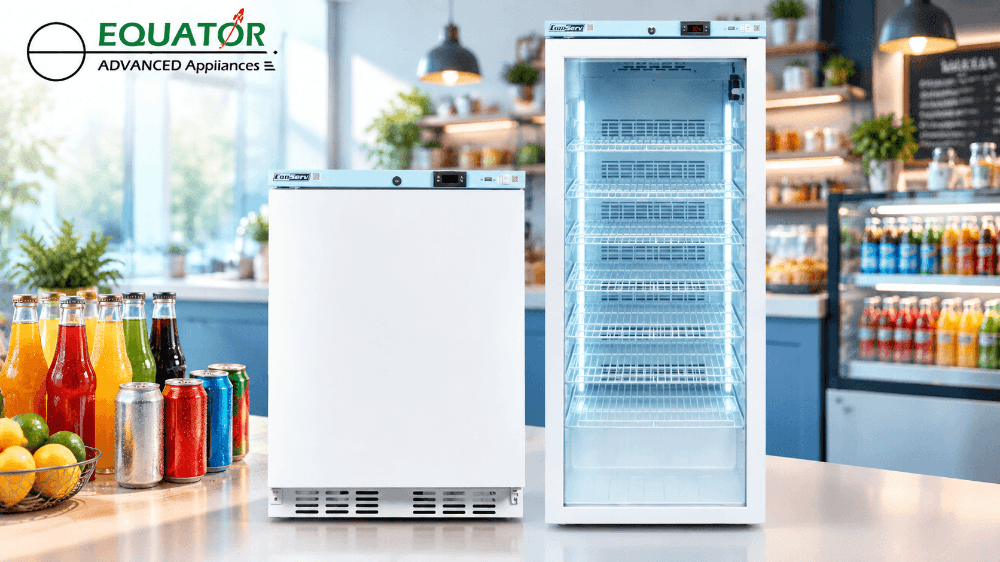
How a Commercial Beverage Fridge Can Increase Drink Sales and Customer Satisfaction
A Commercial Refrigerator can help increase drink sales by making beverages easier to see, choose, and purchase at the right temperature. For a neighborhood café, deli, hotel shop, or takeout restaurant, those details can turn an overlooked bottle of sparkling water into a convenient addition to an order. Customers benefit, too: they can compare options without asking staff to list every flavor, and they are less likely to leave disappointed by an empty shelf or lukewarm drink. From compact New York City storefronts to busy businesses in Chicago, Los Angeles, and Houston, the opportunity comes from matching the refrigerator to customer traffic, available space, and a practical stocking routine.
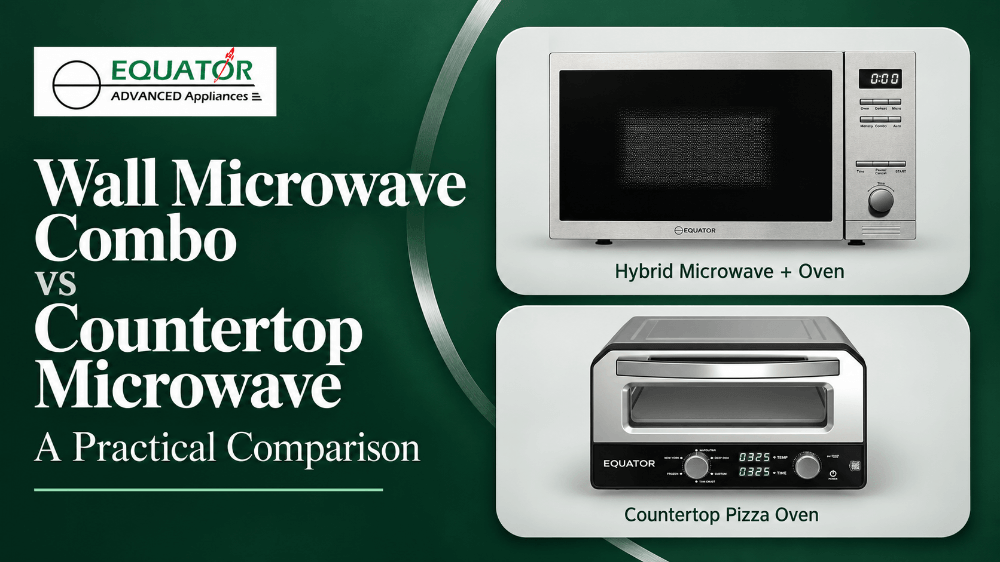
Wall Microwave Combo vs Countertop Microwave: A Practical Comparison
A Combo Microwave Oven can free up valuable kitchen space and add cooking flexibility, but choosing between a built-in installation and a countertop appliance requires more than comparing appearances. For households in New York City, Chicago, Los Angeles, and Houston, the practical questions are familiar: Will it fit, can it handle everyday meals, and what will installation involve? A wall-mounted combination appliance offers an integrated look, while a countertop microwave is generally easier to install, move, and replace. The right choice depends on both the cooking functions you need and the space you can realistically dedicate to them.
This practical comparison separates installation style from cooking capability, explains the measurements that matter, and considers situations ranging from a Manhattan rental to a Houston kitchen renovation. It also looks at two Equator cooking appliances with different purposes, helping you avoid buying a product that fits your cabinetry but misses your cooking needs.
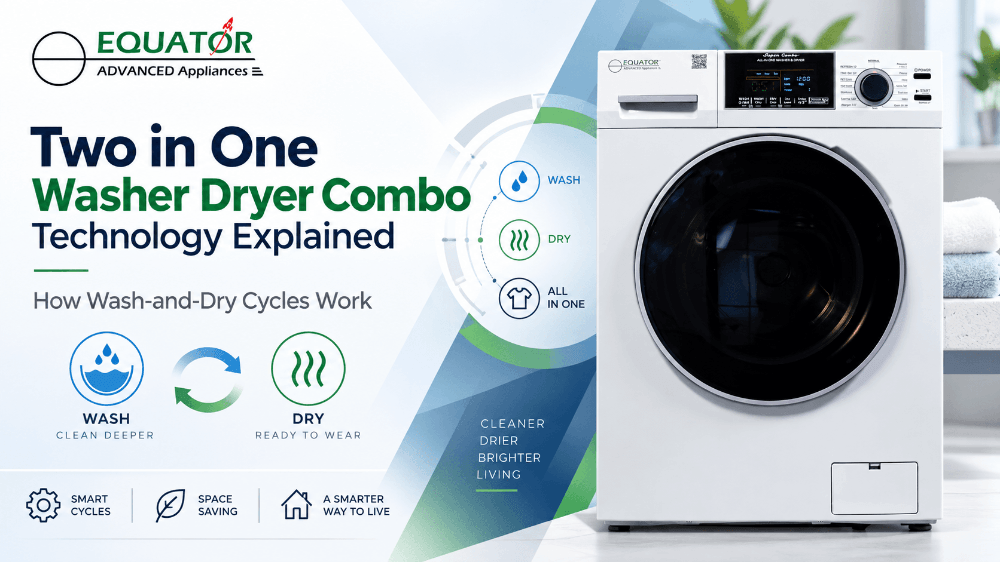
Two in One Washer Dryer Combo Technology Explained: How Wash-and-Dry Cycles Work
A Combo Washer Dryer combines washing and drying in a single front-loading appliance, allowing clothes to move from the wash cycle into the drying cycle without being transferred to a second machine. That simple idea hides a surprisingly sophisticated process involving water control, drum motion, high-speed extraction, heated airflow, moisture removal, and automatic cycle management. For people comparing an all-in-one washer and dryer, especially in apartments, condos, ADUs, tiny homes, and other space-conscious properties across major U.S. cities, understanding how the technology works makes it much easier to choose the right configuration.
Whether you are researching a ventless washer dryer combo for a Manhattan apartment, a compact washer dryer combo for a Chicago condo, or a vented unit for a home in Los Angeles, the most important differences come down to installation space, drying technology, electrical requirements, load size, and how quickly you need clothes ready to wear. This guide explains the complete wash-and-dry process and where different two-in-one technologies make sense.
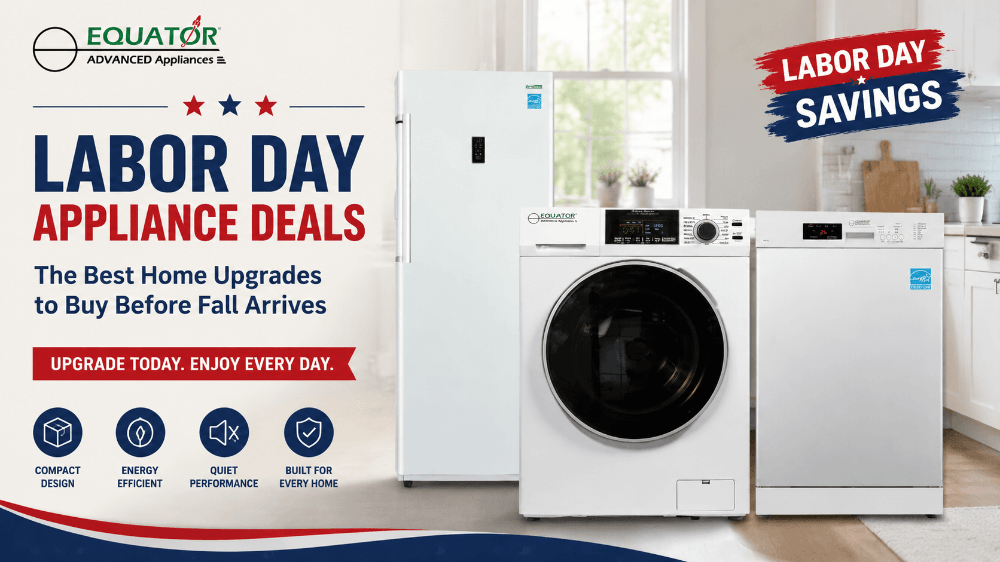
Labor Day Appliance Deals: The Best Home Upgrades to Buy Before Fall Arrives
Labor Day is one of the smartest times of the year for homeowners and renters across the United States to upgrade essential appliances before the busy fall season begins. Whether you are preparing for cooler weather, improving a small apartment, stocking up for family gatherings, or replacing aging equipment, Labor Day appliance deals can help make major home improvements more affordable. Popular upgrades like a Combo washer dryer, compact freezer, and dishwasher can improve daily routines while saving valuable space and energy.
From city apartments in New York and Chicago to suburban homes in Dallas, Phoenix, and Atlanta, homeowners are looking for appliances that match modern lifestyles. Smaller living spaces, changing household needs, and rising utility costs have increased demand for efficient solutions that provide convenience without taking over an entire room. A well-planned Labor Day purchase can help you enter fall with a cleaner laundry routine, better food storage, and a more functional kitchen.
For shoppers comparing options before making a decision, exploring reliable appliance solutions such as Combo washer dryer options can help identify models designed for compact spaces, busy households, and specialized needs. The right appliance upgrade is not only about getting a discount; it is about choosing equipment that fits your home for years to come.

How Often Should You Wash Pet Bedding, Blankets, and Machine-Washable Pet Accessories?
Pet bedding, blankets, and machine-washable pet accessories collect more than visible dirt. They can trap pet hair, dander, outdoor allergens, moisture, and odors that affect the freshness of your home. For many pet owners, a reliable Combo washer dryer can make regular cleaning easier by combining washing and drying in one appliance while saving space in apartments, condos, RVs, and smaller laundry rooms.
How often you should wash pet bedding depends on your pet’s habits, the material of the bedding, and your home environment. A dog that spends time outdoors in neighborhoods with muddy trails or a cat that sheds heavily may require more frequent washing than a pet that stays mostly indoors. Establishing a consistent cleaning routine helps control fur, odors, and allergens while keeping your pet’s favorite resting areas comfortable.
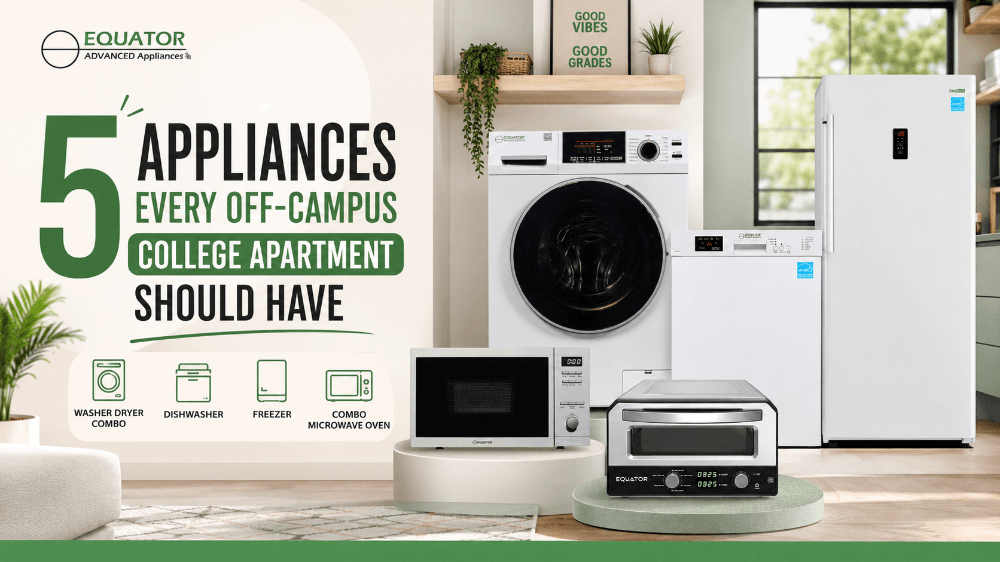
5 Appliances Every Off Campus College Apartment Should Have
Moving into an off-campus college apartment is exciting until you discover the laundry room is three floors down, the kitchen has almost no counter space, and your freezer can barely hold a week of groceries. In major U.S. college cities such as Boston, New York City, Chicago, Los Angeles, Austin, and Philadelphia, students often need appliances that save space, simplify chores, and work with rental-friendly layouts. A practical setup built around a Combo washer dryer, dishwasher, freezer, combo microwave oven can make a shared apartment much easier to manage. Add one versatile cooking appliance, and you have five essentials that can reduce trips to the laundromat, cut cleanup time, improve food storage, and make everyday meals more convenient.